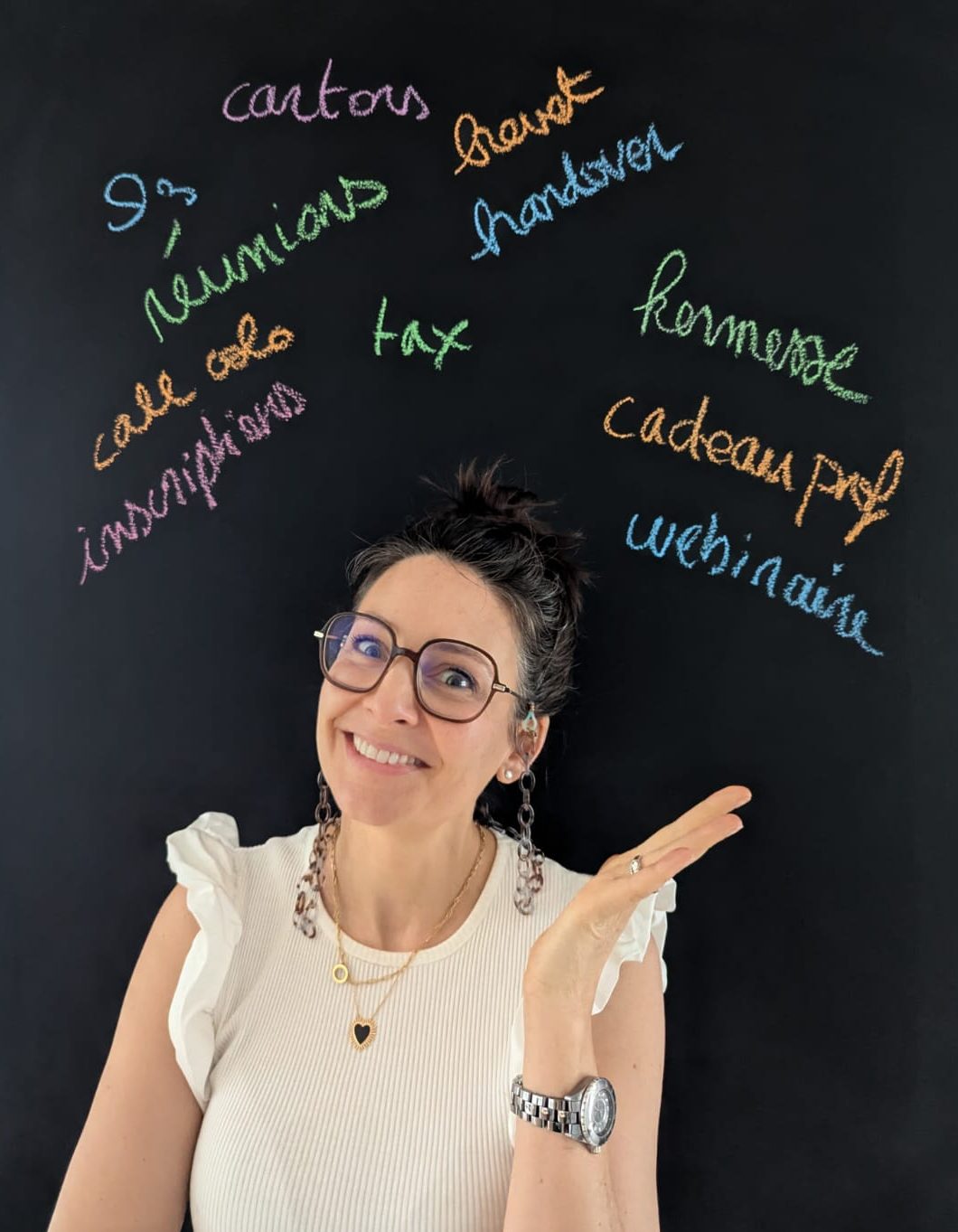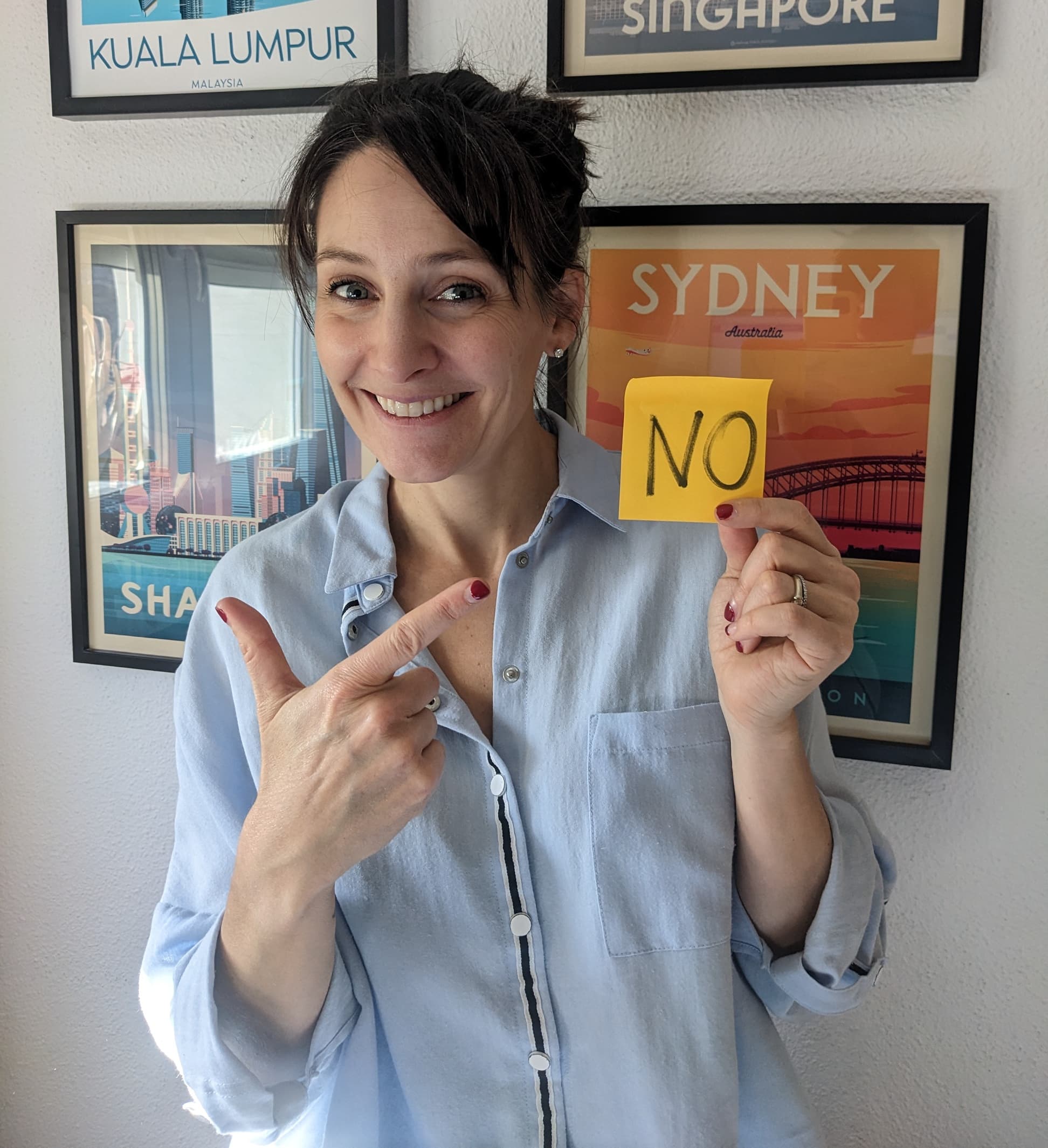
Whether you’re junior or senior, in a startup or a big corporation, the difficulty of saying NO is everywhere. The numbers speak for themselves: 👉 60% of Americans people have trouble saying NO (Thriving Center of Psychology, 2022). Women struggle even more than men, though I don’t have solid studies to back this up.
So, why is saying NO such a game-changer? Why is it so difficult? And most importantly, how can we practice saying NO without feeling guilty? That’s what we’re going to explore together. 🚀
1) Why is Saying NO so important?
A NO to others is a YES to yourself! And this is highly beneficial:
✅ It protects your mental and physical health – Saying NO to unreasonable requests at work (extrawork, stretched deadline) and outside work (another late night out) help protect our precious and limited resources: time, energy, sleep! This reduces stress, prevents burnout, and allows you to focus on self-care. Let’s move from FOMO (Fear Of Missing Out) to JOMO (Joy Of Missing Out) thinking of the great benefits we bring to our health!
✅ It surprisingly boosts your performance and career growth: Saying NO helps you prioritise tasks that truly aligned with your goals, while optimising your workload (and that of your team). It leads to better focus, efficiency, and a great sense of accomplishment. Harvard Business Review suggests that successful leaders and professionals say NO far more often than YES! Think about it, next time you say YES at work!
✅ It builds confidence and respect. By setting boundaries and advocating for yourself (and your team), you enhance your confidence and gain the respect of your colleagues, managers and family. People see you as someone assertive, self-aware, and confident who can set boundaries and speak up when needed. You also avoid being the victim of constant and unreasonable demands. ‘Feeling empowered and in control’: this is the first thing my clients say after practising ‘saying NO’! Magical!
Sounds great, right? So why do we find it so hard?
2) Why is saying NO so difficult?
Beyond simply not knowing how to, there are some deep considerations explaining why we struggle with saying NO:
🤯 Societal and workplace pressure: We are conditioned to go the extra mile: be the perfect team player, someone who goes above and beyond (I can’t stand this expression anymore! Please don’t go above and beyond!), the best parent, the most helpful friend… (Over)committing is unfortunately still often praised, making NO feel like failure.
😨 FOMO & self-doubt: Many believe that saying YES opens doors to career growth and opportunities. We Fear-Of-Missing-Out, we fear of appearing “not capable enough”. Saying NO feels risky. We may also feel the need to prove ourselves, to reassure ourselves.
⚠️ Social conditioning: We fear to say NO because we were raised in environments where NO was seen as unpolite: ‘Be nice’, ‘Don’t argue’ ‘Make others happy” ! These messages sink in deeply and push us to prioritise acceptance over asserting our own needs. On the contrary, kids love saying NO: it’s their way of asserting themselves! At that age, they haven’t yet internalised social rules and expectations. So, let’s keep our childlike spirit alive!
🙃 People-pleasing tendencies: We are social creatures, we need to belong and saying YES makes us feel included and liked. We want to please our boss, clients, children, because we worry about disappointing others, damaging relationships, or appearing rude.
🚨 Bottom line? Saying NO requires courage 💪🏻 . But the good news is that it’s a skill you can develop!
3) How to Say NO?
🙅🏻 Ok now you’re convinced about the importance of saying NO, but you’re wondering when and how? Here are two simple and easy-to-remember frameworks I share with my clients. Don’t hesitate to write them on post-its and stick them in visible places!
Step 1: When to Say NO? THE 3Os METHOD
Before answering YES or NO, ask yourself: does this request trigger any of these 3 warning signs? If YES, it’s a NO!
🅾️ Overloaded: Your plate is full. Adding more (work, trips, household chores…) will drain you and prevent you from performing at your best.
🅾️ Out of Scope: The request isn’t your responsibility, and that’s ok!
🅾️ Out of Sight: It doesn’t align with your long-term professional or personal priorities, goals or values. (If you’re not sure about them, give me a call). If it’s not meaningful to you, why say YES?
📌 Tip: If you’re unsure, ask for time to assess the request before committing or not!
Step 2: How to say NO? THE ‘NO+3’ METHOD
Saying NO doesn’t mean being rude! Here’s how to do it gracefully:
1️⃣ NO
2️⃣ + THANK YOU🙏🏼: Acknowledge the request with gratitude. This avoids putting your interlocutor on the defensive. No need to apologize! Setting boundaries is a strength, not a weakness.
👉 Example: “Thank you for thinking of me`
3️⃣ + BECAUSE✋🏼: Give a clear, honest and simple reason.
👉 Example: “…because I’m fully booked with existing projects, and taking this on would impact my current work.” or ’…because I have a family dinner tonight.
It can be a good opportunity to discuss workload and potential roadblocks with your manager! It also reaffirms your boundaries with your stakeholders.
4️⃣ + BUT 🫴🏼: Offer an alternative. The problem solvers like me will appreciate it. Instead of leaving your interlocutor high and dry, see if you can find a solution together.
👉 Example: “but I can help you find someone who might be available.”, ‘’but I can work on it next week.’’, ‘’but how urgent is this request? (you can even tactfully explore the criticality of the request.)
Final thoughts: A NO to others is a YES to yourself!
To leave you inspired, here are some words of wisdom:
“The difference between successful people and really successful people is that really successful people say NO to almost everything.”, Warren Buffet
“What you don’t do determines what you can do.”, Tim Ferriss
“It’s only by saying NO that you can concentrate on the things that are really important.”, Steve Jobs
“The art of leadership is saying no, not saying yes. It is very easy to say yes.”, Tony Blair
📩 Need help to say NO, get in touch!
💡 The NO+3 challenge:
- Week 1: Say NO to at least 1 thing per day – big or small!
- Week 2: Say NO to 2 things per day
- Week 3: Say NO to 3 things per day and notice how it impacts your time, energy, and wellbeing.
🔥 Bonus: Keep a mini journal to reflect regularly for 3 weeks on how saying NO feels and what changes you notice!